


 Menu
Menu
- Access Motor, original parts(197)
- Benelli, original parts(492)
- Keeway, original parts(517)
- Kymco, original parts(3139)
- Linhai(816)
- QJMOTOR, original parts(1)
- TGB(332)
- Motorcycle parts(1315)
- Oil, fluids, greases(170)
- Car accessories(0)
- Motorcycle clothing(2)
- Accessories(0)
- Scooter parts(54)
- Brands(892)
- New products
- Products on sale

8,45 zł
Price (EUR): (€1.99)
6,87 zł
Price (EUR): (€1.62)

3,48 zł
Price (EUR): (€0.82)
2,83 zł
Price (EUR): (€0.67)

47,22 zł
Price (EUR): (€11.12)
38,39 zł
Price (EUR): (€9.04)

14,86 zł
Price (EUR): (€3.50)
12,08 zł
Price (EUR): (€2.85)

72,91 zł
Price (EUR): (€17.17)
59,28 zł
Price (EUR): (€13.96)
Newsletter
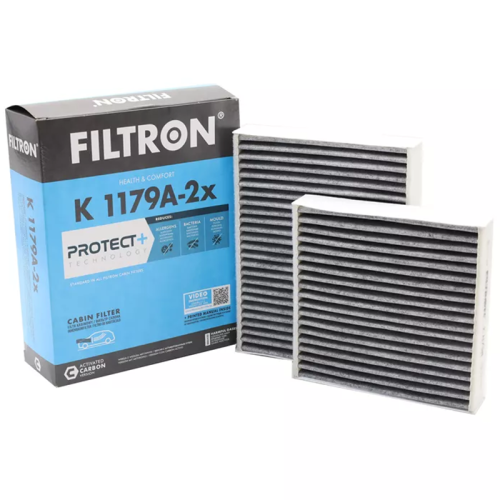
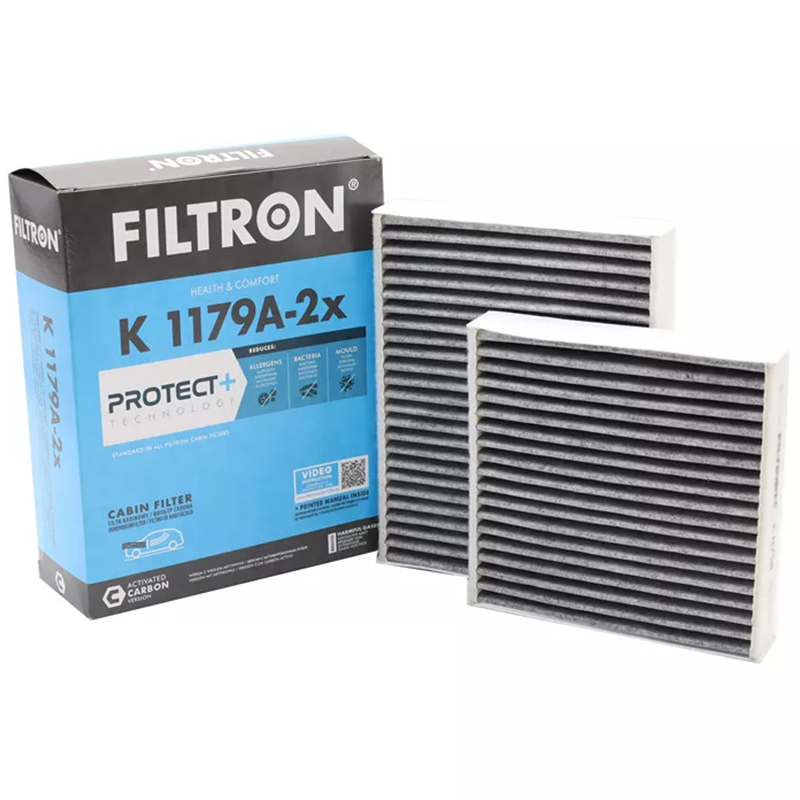
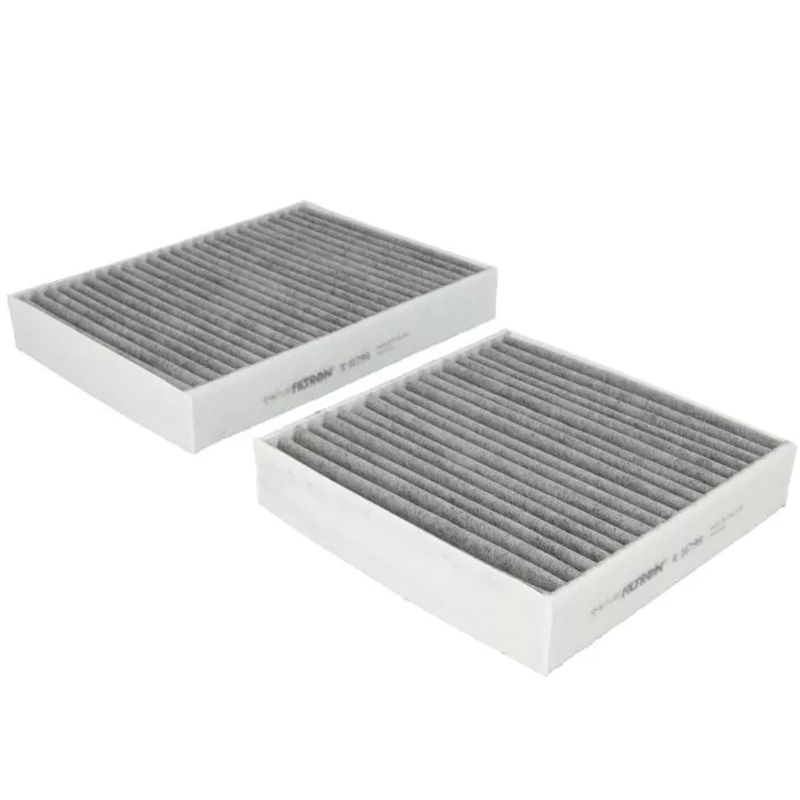
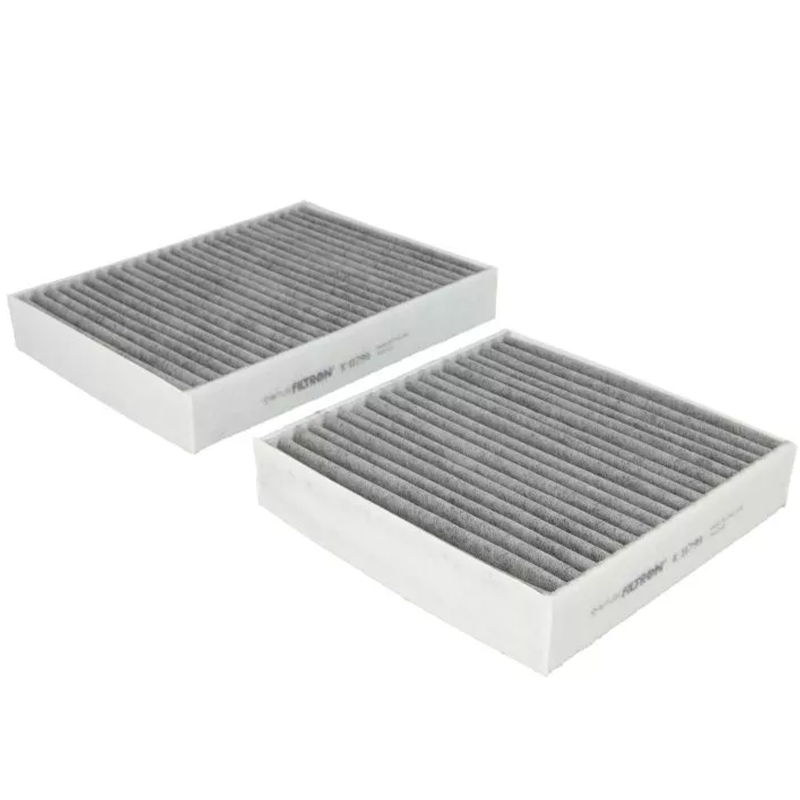
Cabin Filter FILTRON K 1179A-2X
Regular price:
Regular price:
product unavailable
add to wish list
Description
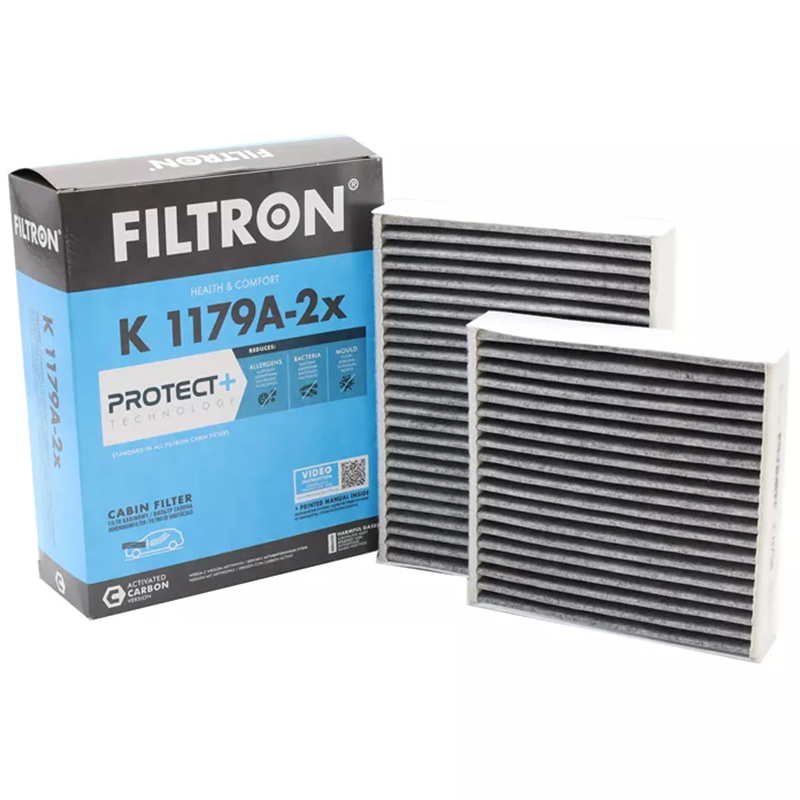
Cabin Air Filter FILTRON K 1179A-2X
The FILTRON K 1179A-2X cabin air filter is a key component of the vehicle's ventilation system, playing an important role in ensuring the cleanliness of the air blown into the car's interior. Thanks to this filter, passengers can enjoy clean, fresh air without unpleasant odors or contaminants. The cabin filter is installed in a special compartment near the vehicle's cowl and cleans the air entering the car.
Role of the Cabin Filter
The cabin filter serves the function of purifying the air entering the vehicle's cabin from various contaminants such as dust, sand, plant pollen, fungal spores, smoke, bits of asphalt, and other harmful substances. The filter can come in different forms, from standard ones made of paper or mold-resistant fibers, to more advanced versions with activated carbon. Activated carbon filters have an additional layer that effectively neutralizes unpleasant odors and protects against harmful components of exhaust gases, improving air quality inside the cabin.
Advantages of the Cabin Filter
A well-functioning cabin filter provides many benefits for vehicle users. First and foremost, it improves driving comfort by removing particles from the air that could cause allergies or irritation to the respiratory system, eyes, and nose. This reduces the risk of allergic reactions, infections, or other health problems that can be caused by air pollution inside the cabin. Clean air also enhances well-being during long trips, especially in challenging weather conditions or on polluted roads.
When to Replace the Cabin Filter
Over time, the cabin filter gradually clogs with contaminants, reducing its efficiency. It allows less air to enter the vehicle, and the accumulating impurities can become a breeding ground for pathogens and mold, which creates a health risk. Therefore, the cabin filter should be replaced approximately every 15,000 kilometers or at least once a year. Regular replacement is particularly important during periods of intensive vehicle use or in areas with high air pollution levels.