


 Menu
Menu
- Access Motor, original parts(197)
- Benelli, original parts(492)
- Keeway, original parts(517)
- Kymco, original parts(3139)
- Linhai(816)
- QJMOTOR, original parts(1)
- TGB(332)
- Motorcycle parts(1315)
- Oil, fluids, greases(170)
- Car accessories(0)
- Motorcycle clothing(2)
- Accessories(0)
- Scooter parts(54)
- Brands(892)
- New products
- Products on sale

8,45 zł
Price (EUR): (€1.99)
6,87 zł
Price (EUR): (€1.62)

3,48 zł
Price (EUR): (€0.82)
2,83 zł
Price (EUR): (€0.67)

47,22 zł
Price (EUR): (€11.12)
38,39 zł
Price (EUR): (€9.04)

14,86 zł
Price (EUR): (€3.50)
12,08 zł
Price (EUR): (€2.85)

72,91 zł
Price (EUR): (€17.17)
59,28 zł
Price (EUR): (€13.96)
Newsletter
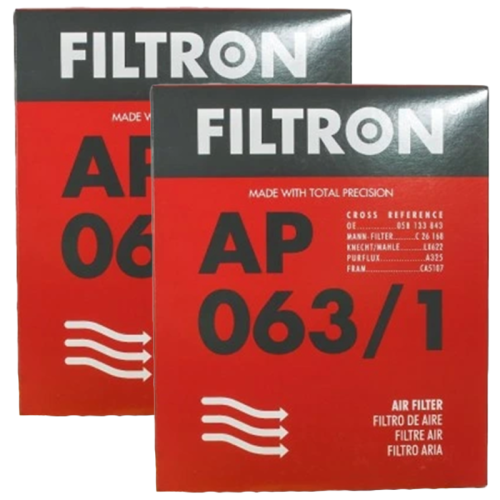
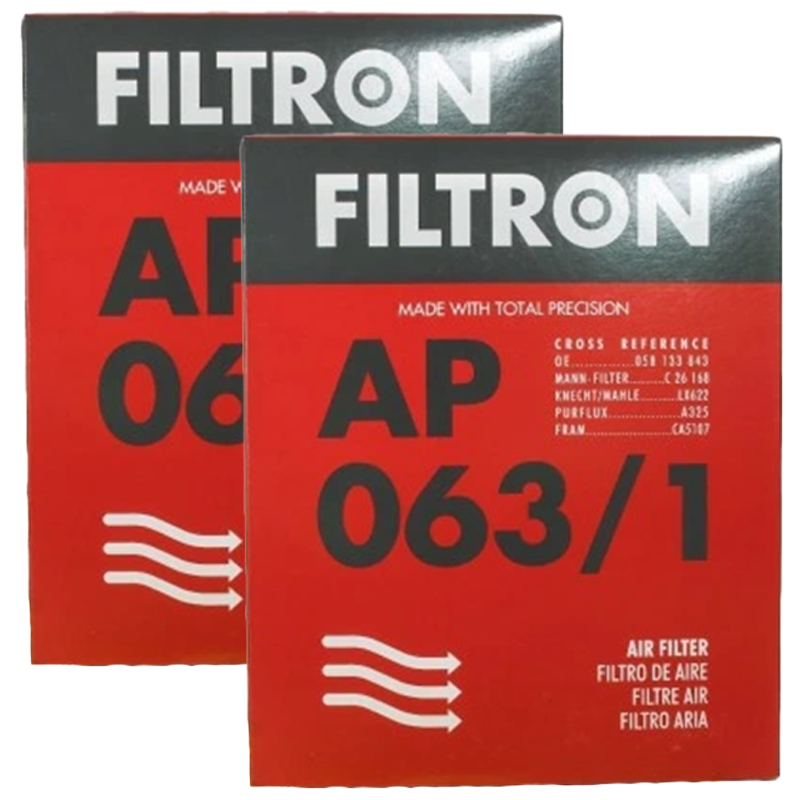
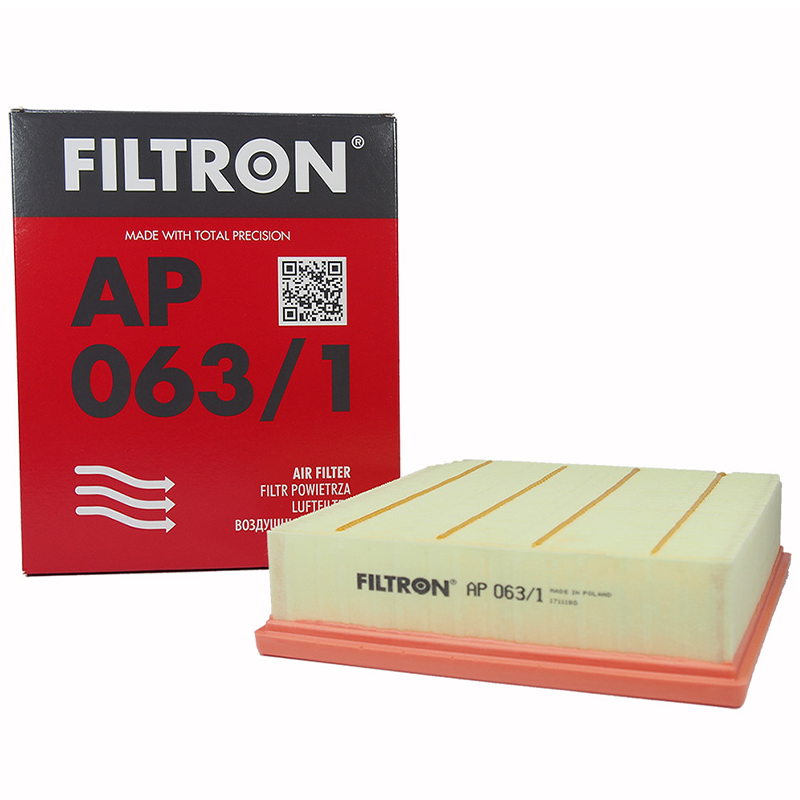
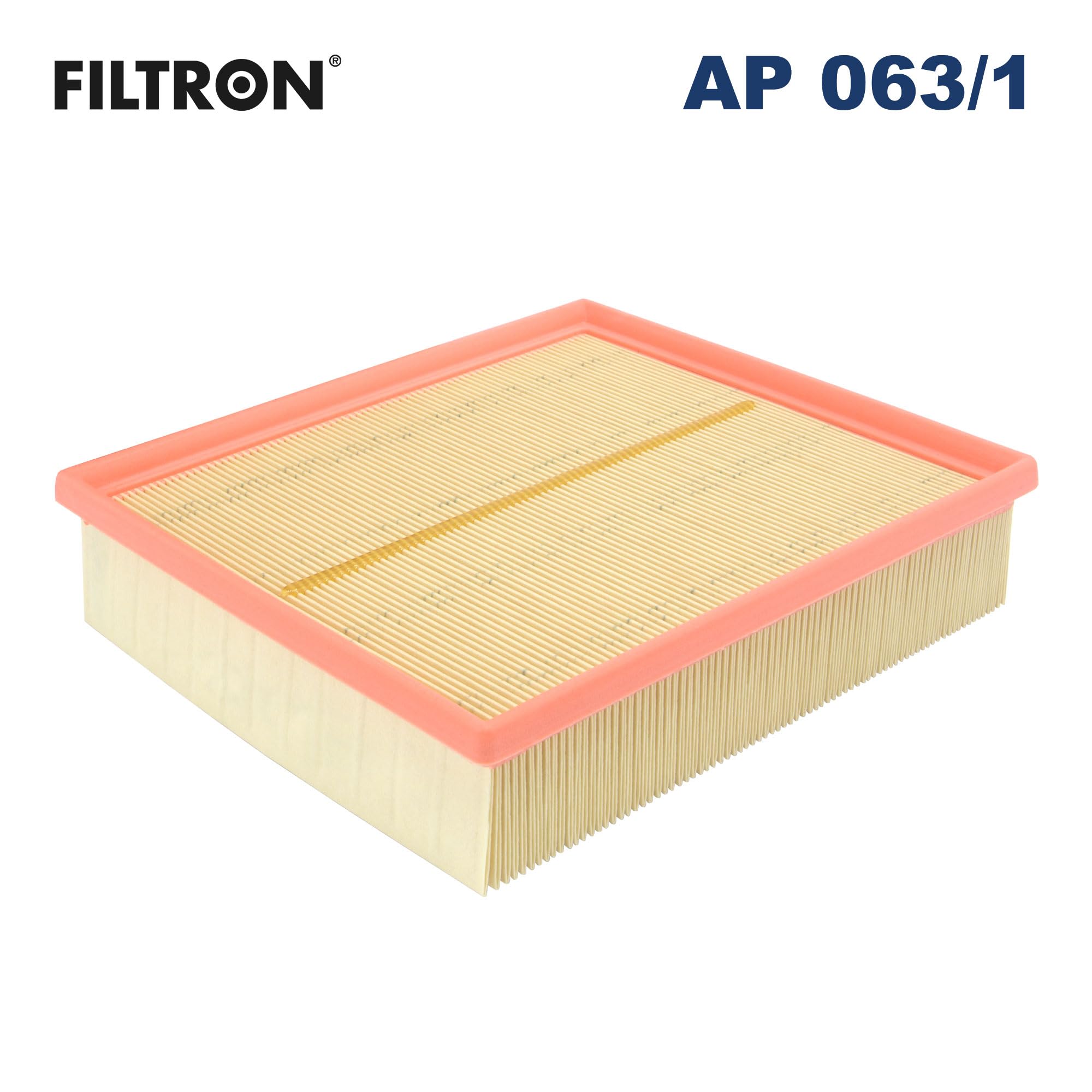
2x Air Filter Filtron AP063/1
Regular price:
Regular price:
product unavailable
add to wish list
Description
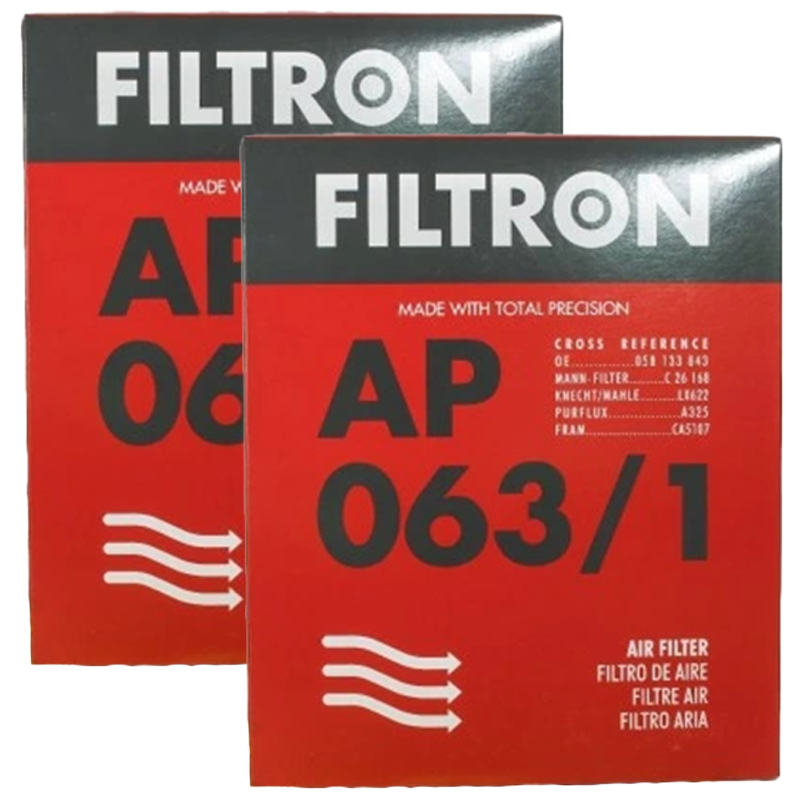
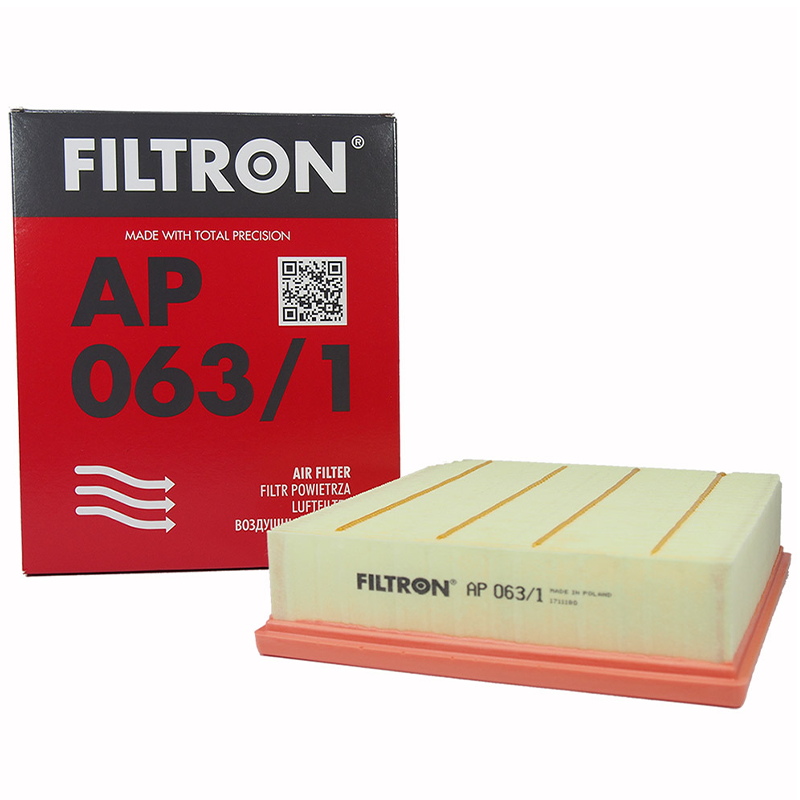
2x Air Filter Filtron AP063/1
The air filter is one of the most important components of the internal combustion engine's intake system. Its primary function is to clean the air drawn into the engine from any contaminants such as dust, sand, soot, pollen, or other fine particles present in the atmosphere. Thanks to this, the air filter prevents impurities from entering the combustion chamber, protecting the engine from premature wear, increasing its durability, and ensuring optimal performance.
Structure and Types of Air Filters
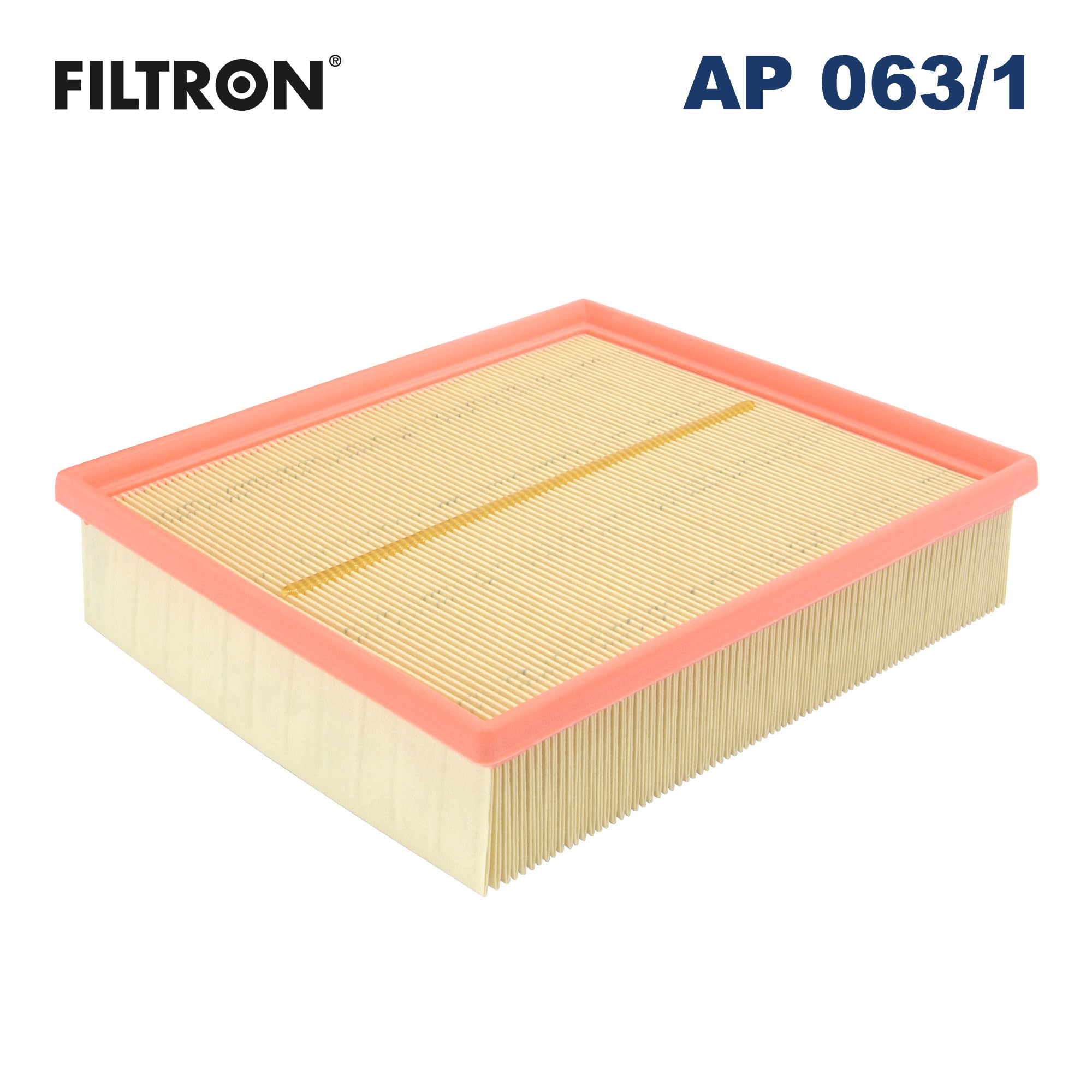
The air filter consists of a housing and a filter element, usually made of filter paper, synthetic nonwoven fabric, or cotton. Air filters come in various shapes—the most common types are panel filters (rectangular or square), cylindrical, and conical.
Types of air filters:
- Standard paper filters – the most commonly used; effectively capture contaminants but require regular replacement.
- Cotton filters – offer higher airflow capacity and can be cleaned and reused. Often used in performance air intake systems.
- Foam filters – mainly used in off-road vehicles and motorcycles due to their resistance to moisture and heavy dust.
Signs of a Worn-Out Air Filter
A dirty air filter gradually loses its effectiveness, leading to various operational issues. The most common symptoms include:
• Reduced engine power – the engine doesn’t get enough oxygen for fuel combustion.
• Increased fuel consumption – a richer air-fuel mixture results in higher fuel usage.
• Rough idle – restricted airflow causes unstable engine speed at idle.
• Black exhaust smoke – a sign of incomplete combustion.
• Unpleasant exhaust smell – may indicate combustion problems.
How Often Should the Air Filter Be Replaced?
It is recommended to replace the air filter every 15,000–20,000 km, though the actual interval depends on the vehicle's operating conditions. In harsh environments (e.g. gravel roads, off-road use, or dusty areas), replacement should occur more frequently—even every 10,000 km.